Assess Your Space
When selecting the perfect couch, the initial step involves a thorough assessment of your available space. This entails measuring the dimensions of the room where the couch will be placed, including not only the floor area but also ceiling height. A couch that is too large can overpower a room, making it feel cramped and uncomfortable, while a smaller couch may seem lost in a spacious setting. It is vital to strike a balance that maintains a sense of harmony in your living area.
Additionally, doorways, windows, and walking paths should be considered to ensure that the couch can be moved in and out with ease. Ensure there is enough clearance for doors to open fully and that paths remain unobstructed for easy movement throughout the room. The accessibility of space around the couch is integral, allowing room for guests to navigate without feeling constricted.
Another key aspect to evaluate is the existing furniture and decor within the space. Take note of the size and scale of other pieces, including chairs, tables, and any decorative elements. The chosen couch should complement these items, both in style and presence. For instance, a modern couch may not integrate well with classic decor, while a sectional may disrupt the flow if paired with smaller furniture. By ensuring that the couch enhances the current design aesthetic of the room, you can create a cohesive and inviting atmosphere.
Ultimately, assessing your space involves a comprehensive understanding of not only the dimensions but also the functionality and existing elements within the room. This thoughtful approach will enable you to select a couch that not only serves its purpose but also enhances the overall aesthetic and enjoyment of your living area.
Determine Your Style
Choosing the right couch requires a thoughtful consideration of both personal taste and the overall aesthetic of your living space. Couches are available in an array of styles, ranging from contemporary and minimalist to classic and ornate. As you embark on this selection process, it is crucial to first identify your personal style and how it aligns with the existing decor of your home. This will ensure a cohesive look that enhances the environment.
Assessing color is an essential step in determining your style. The hue of the couch should either complement or provide a striking contrast to the other elements within the room. For example, if your decor is neutral, you may wish to opt for a bold-colored couch that acts as a statement piece. Conversely, if the room is already filled with vibrant artwork or accessories, a more muted or monochromatic couch might balance out the space effectively.
Texture and material are equally important considerations when isolating your preferred style. Leather couches offer a sleek, high-end look and are often easier to maintain, while fabric options can introduce warmth and coziness into the area. Additionally, you may want to explore different textures, such as velvet, linen, or microfiber, as they can significantly affect the comfort level and visual appeal of your couch.
Ultimately, striking a balance between aesthetics and functionality is key. A couch should not only be visually striking but also comfortable and practical for everyday use. This means considering factors such as size, seating capacity, and durability, which will allow your choice to serve its intended purpose effectively without compromising on design. By carefully evaluating these elements, you will be well on your way to selecting a couch that meets both your style and functional needs.
Evaluate Comfort and Ergonomics
When selecting a couch for your living space, prioritizing comfort is essential, as it serves not only as a focal point in a room but also as a haven for relaxation and social interactions. The balance between style and comfort is pivotal in ensuring that the couch you choose enhances your living experience while also complementing your aesthetic preferences.
To effectively gauge comfort, it is advisable to test various couches in person whenever possible. One critical factor to assess is seat depth. A deeper seat may appeal to those who prefer to lounge, while a shallower seat often suits individuals seeking a more upright position. It is wise to sit down and ensure that your feet can comfortably touch the ground while your back remains firmly against the couch’s backrest.
Additionally, the firmness of the cushions is vital in determining comfort levels. Softer cushions may provide immediate comfort but can lead to discomfort over extended periods, whereas firmer cushions offer more support and longevity. Consider what feels best for you and anyone else who will frequently use the couch. It is prudent to spend time sitting on different styles to find the right firmness that meets your comfort needs.
Furthermore, back support is an important aspect of ergonomics that should not be overlooked. A couch that promotes good posture can help to prevent strain on your back, particularly if you spend considerable time seated. Look for models with supportive backrests that align with the natural curve of your spine. Ultimately, incorporating these considerations will help you discover a couch that strikes an excellent balance between comfort and style, enhancing your living environment for years to come.
Material and Durability
When selecting a couch, the choice of material significantly influences not only its aesthetic appeal but also its durability and maintenance requirements. The most common upholstery types include fabric, leather, and various synthetic materials, each with distinct characteristics that can cater to the diverse needs of different households.
Fabric upholstery comes in a variety of options, from natural fibers like cotton and linen to synthetic ones such as polyester. Natural fibers tend to offer excellent breathability and comfort, but they may be more susceptible to staining and wear. On the other hand, synthetic fabrics are often designed with stain resistance and durability in mind, making them ideal for families with children or pets. Nevertheless, it is crucial to consider the weaves and textures, as some fabrics may be more prone to fraying over time.
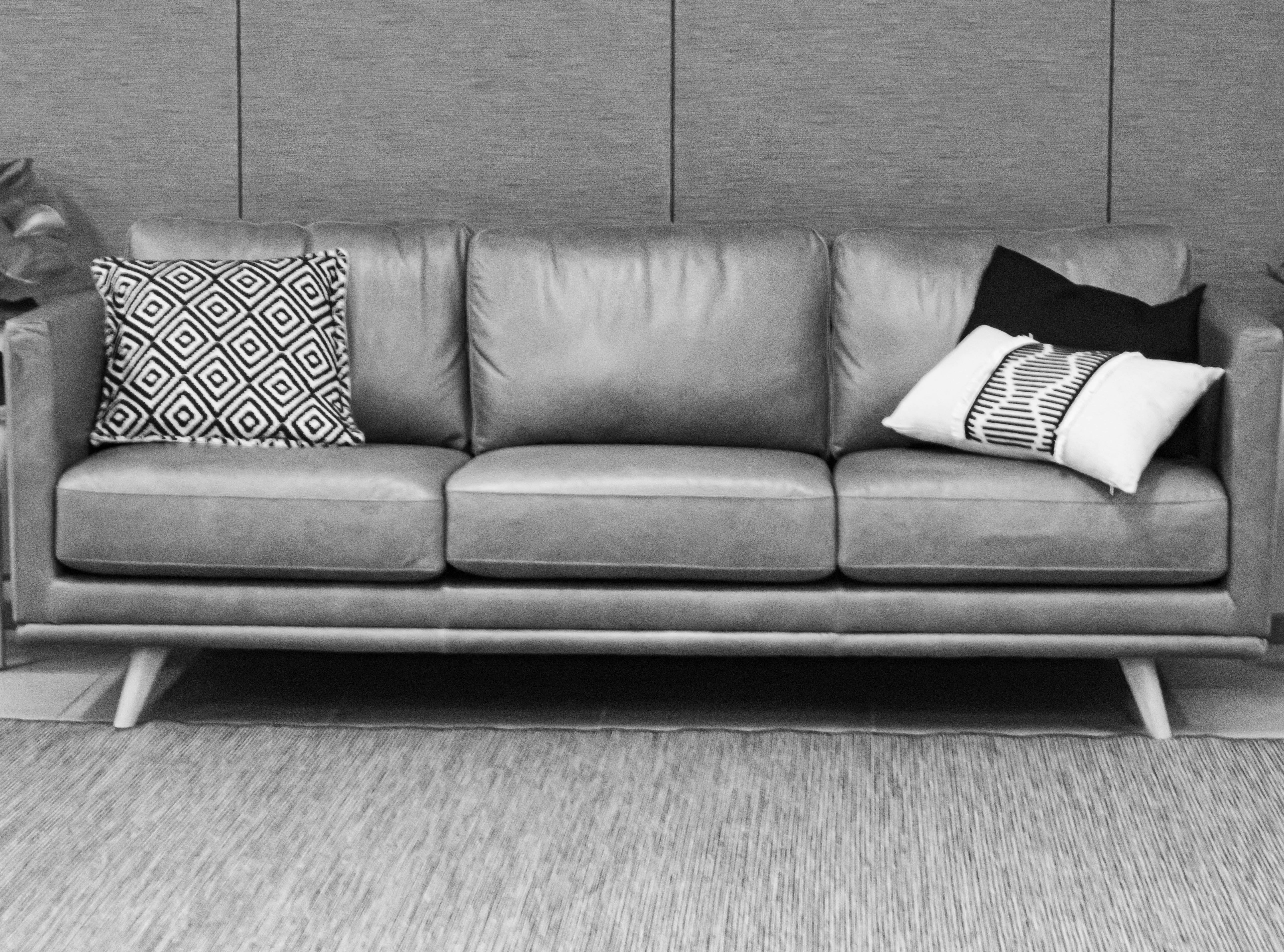
Leather is another popular choice for upholstery due to its luxurious appearance and durability. Genuine leather, while typically more costly, can age beautifully over time and is relatively easy to clean. However, scratches and scuffs are possible if not treated with care. Alternatively, faux leather offers a more affordable option that mimics the aesthetic of natural leather, although it may not have the same level of durability.
Beyond upholstery, the frame construction of the couch is essential for ensuring long-lasting quality. A robust frame made from hardwood, such as oak or maple, generally withstands wear and tear better than softer woods or particleboard. Additionally, the cushioning materials also play a significant role in comfort and longevity; high-density foam typically provides excellent support and retains its shape over time, whereas lower-grade foam may sag quickly.
In conclusion, when choosing a couch, it is vital to consider the type of material used in both upholstery and construction. Prioritizing durability and ease of maintenance will ensure that your investment stands the test of time while enhancing your living space’s overall style and comfort.